Why DIY Cleaning Often Misses Hidden Bacteria: Home Hygiene Tips
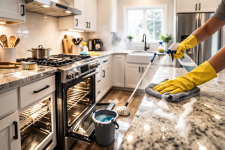
Many people clean their homes regularly: They vacuum, mop floors and wipe down the surfaces of each and every room. They look clean at once. That’s where home hygiene tips come in — that divide between cleanliness visible and cleanliness that is truly hygienic.
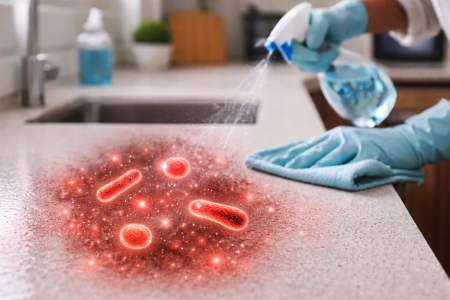
The issue is that the majority of contamination inside a home is undetectable. Bacteria, allergens, dust and microorganisms may remain on surfaces even after periodic cleaning.
In this article we’ll tell you why DIY cleaning can easily miss hidden bacteria, where they’re usually hiding, and when it makes sense to pair home cleaning with professional services.

What “Clean” Really Means
When we use the word “clean” we often mean without dirt visible. But hygienic cleanliness means something different. It implies cleanliness of surfaces, free from a high amount of bacteria.
That’s why many home hygiene tips begin with a simple idea: a shiny kitchen or a clean floor does not necessarily mean germs have disappeared. Some bacteria will not exit — sticking to microscopic pores in our materials, or on mundane objects we touch often.
Where Bacteria Commonly Hide in Homes?
In every home, there are spots where bacteria build up more quickly than they should.
The most common areas include:
- kitchen sponges and towels
- light switches
- bacteria on door handles — touched dozens of times a day
- TV remote controls
- kitchen countertops
- bathrooms
Even in a fully cared for household, these areas can be rich in bacteria much deeper than would be expected from those few walls.
Why Regular DIY Cleaning Isn’t Enough
Home cleaning is indeed important. It keeps everything in order and decreases dust accumulation. But regular cleaning is limited.
In short, when we’re rapidly wiping down surfaces or vacuuming floors, we generally only scratch the first layer of dirt. Bacteria may persist inside of fabrics, in surface seams or in hard-to-reach locations.
This is especially obvious in Spokane homes after winter. Shoes, snow and road salt flow into the home and bury themselves deep within carpets, tile seams and ventilation areas.
Common DIY Cleaning Mistakes
Frequent bad habits also make it so frequent cleaning can become less effective.
Here are some of the common ones:
- applying the same cloth on different places
- not creating the proper contact times for disinfectants
- ignoring hard-to-reach places
- only looking at visible surfaces
Little habits such as these can make cleaning a lot less effective.
The Limits of Household Cleaning Products
All everyday household cleaning products are designed for maintenance. They remove grease, dust and stains well. But they do not eliminate the deeper contamination.
Others may call for special methods of cleaning. The surfaces of ventilation systems and fabric are good examples. That’s why people often ask what’s better professional duct cleaning or diy.
DIY duct cleaning typically takes out just surface dust; professional equipment cleans much deeper inside the system.
Carpets, Upholstery, and Soft Surfaces
Soft surfaces are among the largest collectors of microorganisms in a household. Carpets, sofas and chairs can retain dust, bacteria and allergens for years.
So that’s why so many homeowners question is professional carpet cleaning better than doing it yourself.
Household vacuums clean surface dust, which doesn’t clean deep into carpet fibers. Professional cleaning is powered by machines and specialized tech that cut through layers of fabric structures to its roots.
Why Professional Cleaning Reaches Deeper
Professional cleaning differs significantly from DIY cleaning mainly on the equipment and method.
Professional cleaning staff commonly utilize:
- high-powered vacuum systems with filtration
- steam cleaning equipment
- specialized cleaning solutions for different surfaces
- structured cleaning checklists
Not only do these tools and methods remove visible dirt from a material but contaminants hidden deeper in materials as well.
When Professional Cleaning Makes Sense
Home cleaning continues to be a critical piece of creating a living room with a comfortable and inviting space. Sometimes it seems appropriate to also keep up professional cleaning.
For example:
- after a long winter season
- before selling or renting a property
- after renovations
- if they have pets
- if anyone in the home has any allergies
Apartment owners in Spokane turn to professional services in these situations.
Hidden Bacteria in Spokane Homes

The natural environment in Spokane takes its toll on home cleanliness. In winter, moisture, snow and road salt seeps into the homes. In spring, dust and pollen adorn surfaces and fabrics.
As a result, regular cleaning even does not always give the sensation of real freshness. Bacteria can accumulate in carpets, upholstery, ventilation systems and items touched frequently.
DIY cleaning is the basis for a clean home. But it is just as critical to distinguish when cleanliness can be seen and when cleanliness is not.
Homeowners can clean better with home hygiene tips by disinfect regularly touched surfaces, pay close attention to overlooked parts of your rooms and thoroughly clean softer surfaces often.
Indeed, the best advice is to perform regular home cleaning paired with deep cleaning on occasion once in a while. This duo helps sustain your home clean so that we don’t just clean it from the outside and, like most households, it becomes healthier to live in.