Mold Season in Spokane: When It Starts, Where It Hides, and What to Do
Spokane gets less rain than most people expect — around 16 to 17 inches a year, far below the national average. Hot, dry summers and cold, clear winters make it easy to assume that mold is someone else’s problem. It isn’t.
Mold in Spokane is real, it’s common, and it follows a pattern that most homeowners don’t recognize until something has already gone wrong. The city’s freeze-thaw winters, spring snowmelt, and specific home construction history create conditions where mold takes hold in predictable places — quietly, out of sight, often for months before anyone notices. Knowing when those conditions appear and where to look makes all the difference.
When Does Mold Season Start in Spokane?
Mold doesn’t have a single season in Spokane. It has two distinct windows, each driven by different conditions.
Late fall through early spring is the first and most significant window. Cold winters in Spokane produce condensation on windows and exterior walls — a common sign that indoor humidity is too high. When warm indoor air meets cold surfaces, moisture forms. That moisture, left unaddressed, is exactly what mold needs to establish itself. Mold spores can start growing in as little as 24 to 48 hours after water gets in.
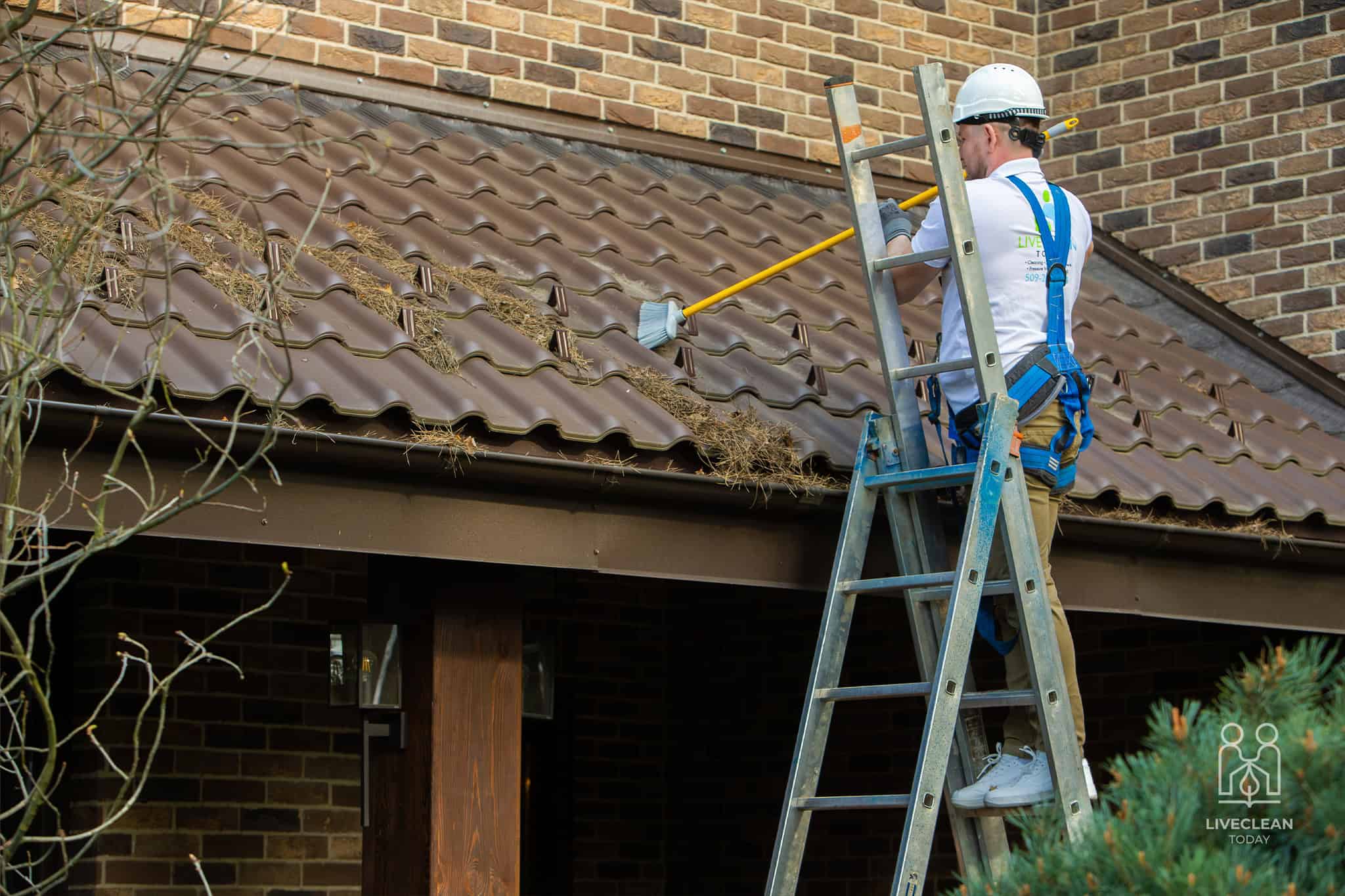
The freeze-thaw cycle that Spokane experiences in January and February adds another layer of risk. Ice dams can drive meltwater under shingles and into attic sheathing — a slow, invisible intrusion that often goes unnoticed until mold has already taken hold in the attic or behind walls.
Spring is the second window. As weather warms in early spring, moisture levels in the air increase, and the transition from cold to warmer weather often leads to condensation and dampness in basements, attics, and crawl spaces. Snowmelt adds to this — older neighborhoods near the Spokane River, including parts of Browne’s Addition, Peaceful Valley, and West Central, have pre-1940 homes with stone or rubble foundations that pick up groundwater intrusion during snowmelt.
Summer, by contrast, is Spokane’s lowest-risk season for mold — with one exception. Any water event during the dry months — a burst pipe, an appliance leak, flooding from a storm drain — creates ideal mold conditions precisely because no one is watching for moisture problems. And this summer, with the Spokane Complex fires and post-fire water damage in some neighborhoods, that risk is higher than usual.
Where Mold Hides in Spokane Homes
Knowing the season matters less than knowing where to look. Mold in Spokane homes is almost always source-driven — meaning it traces back to a specific moisture problem in a specific location, not general humidity throughout the house.
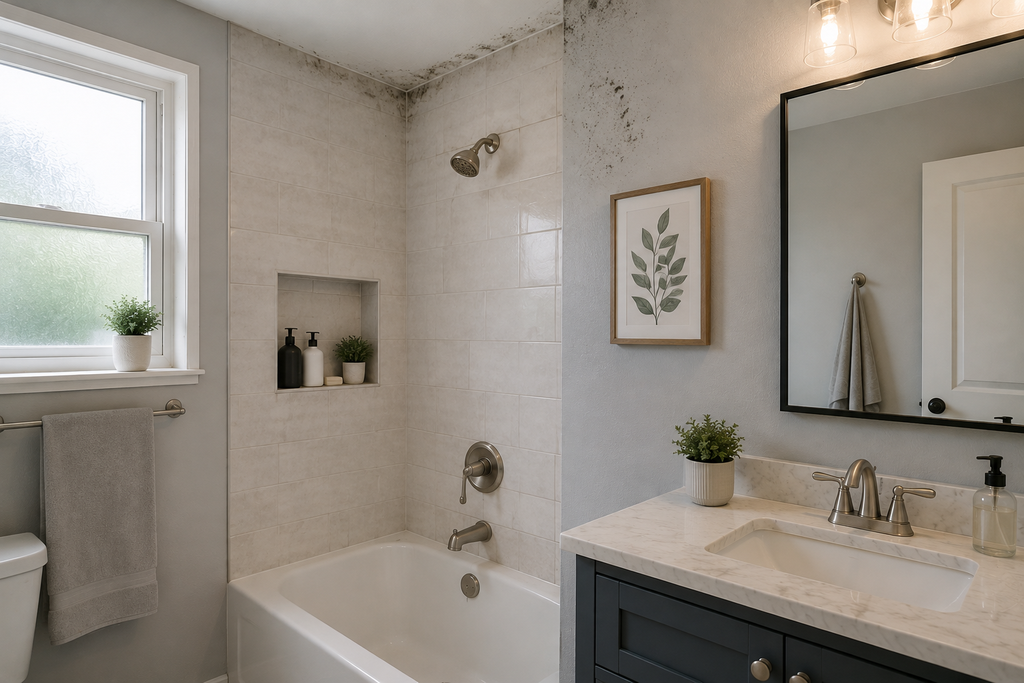
- Bathrooms are the most common location in any home. Excess moisture in bathrooms can lead to mold or mildew growth if surfaces aren’t cleaned and ventilated regularly. The areas that get missed most often: grout lines in the shower, the caulk seal around the tub, the underside of the toilet tank, and the ceiling directly above the shower. Poor exhaust fan performance — or a habit of not running it long enough — accelerates buildup significantly.
- Basements and crawl spaces are the second most common location, particularly in older Spokane homes. Mold is sneaky and often hides in damp places like your crawl space or basement, behind walls, and under flooring. Groundwater intrusion during snowmelt, foundation gaps, and inadequate vapor barriers all create conditions where mold can grow for months before anyone notices.
- Attics are a less obvious but significant location. Ice dam damage — where meltwater backs up under shingles — introduces moisture directly into the attic structure. Combined with poor ventilation, this creates persistent mold growth on sheathing and rafters that typically isn’t discovered until a home inspection or a visible stain appears on the ceiling below.
- Around windows is where many Spokane homeowners first notice a problem. Condensation that forms on cold glass during winter drips down onto the frame and sill, creating a consistent moisture source. Painted wood frames absorb this moisture and develop mold on the interior surface, often starting as a faint gray discoloration at the corners.
- Kitchen and laundry areas round out the list — specifically under sinks where small plumbing leaks go undetected, behind dishwashers, and around washing machine hoses.
What to Do About It
Control moisture first. Everything else follows from this. Health agencies recommend maintaining indoor relative humidity between 30% and 50% to minimize mold risk — you can monitor this with an inexpensive humidity meter from any home improvement store. Run exhaust fans in bathrooms for at least 15 minutes after a shower, not just during. Check under sinks and around appliances seasonally for slow leaks.
Inspect the high-risk areas regularly. You don’t need a professional to do a visual check of your bathroom grout, window sills, and basement walls twice a year. Catching early-stage mold — which typically appears as small gray or black spots — is vastly easier and cheaper than addressing an established colony behind a wall.
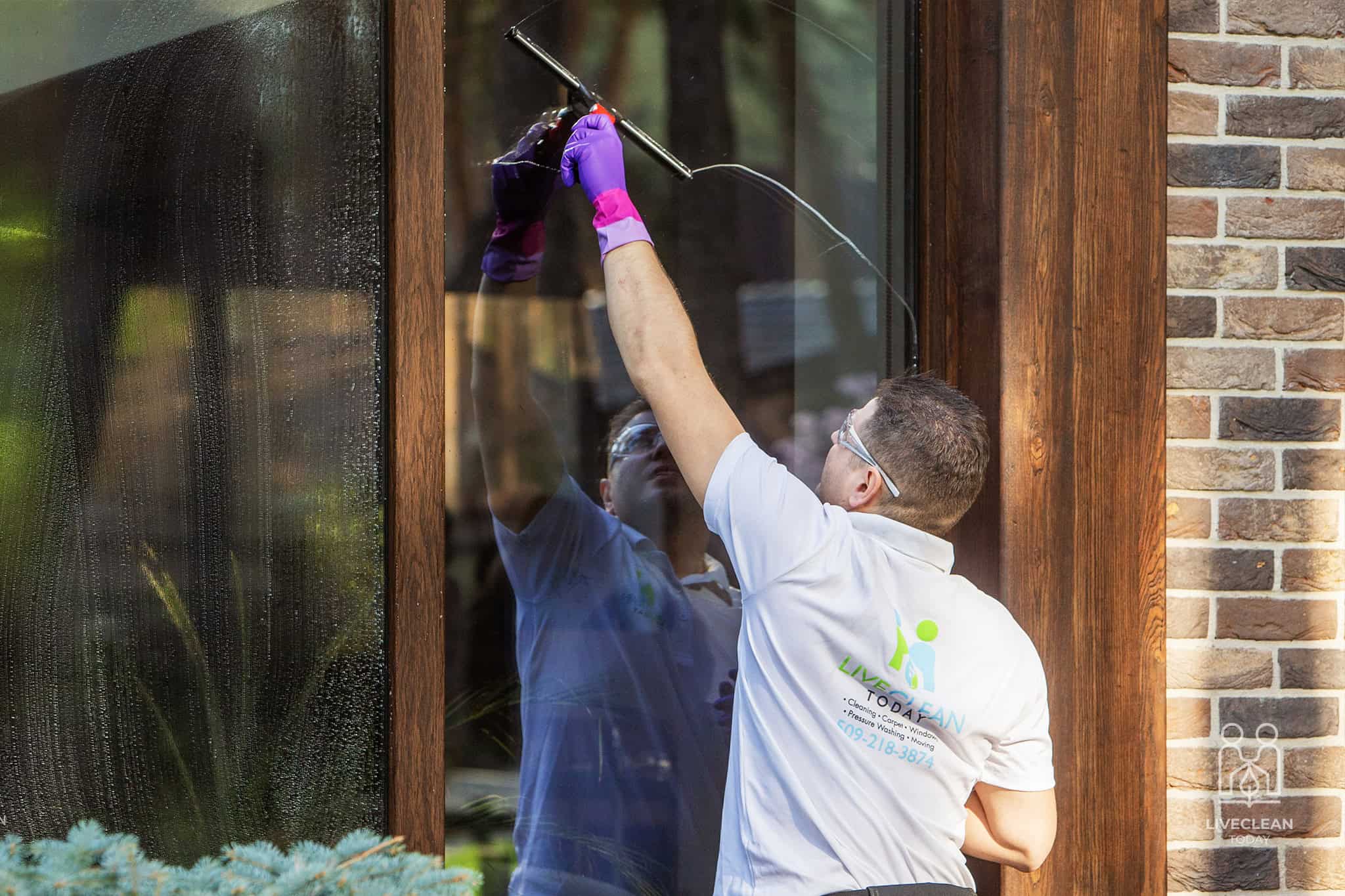
Address condensation on windows. If your windows are consistently wet on the inside during winter, your indoor humidity is too high. A dehumidifier or improved ventilation will address the cause; wiping down frames and sills regularly prevents the moisture from sitting long enough to support growth.
Clean bathrooms thoroughly and consistently. This is where regular professional cleaning makes a direct difference. A routine cleaning service that targets grout lines, caulk seals, tile surfaces, and the areas around fixtures removes the buildup that leads to mold before it has a chance to establish itself.
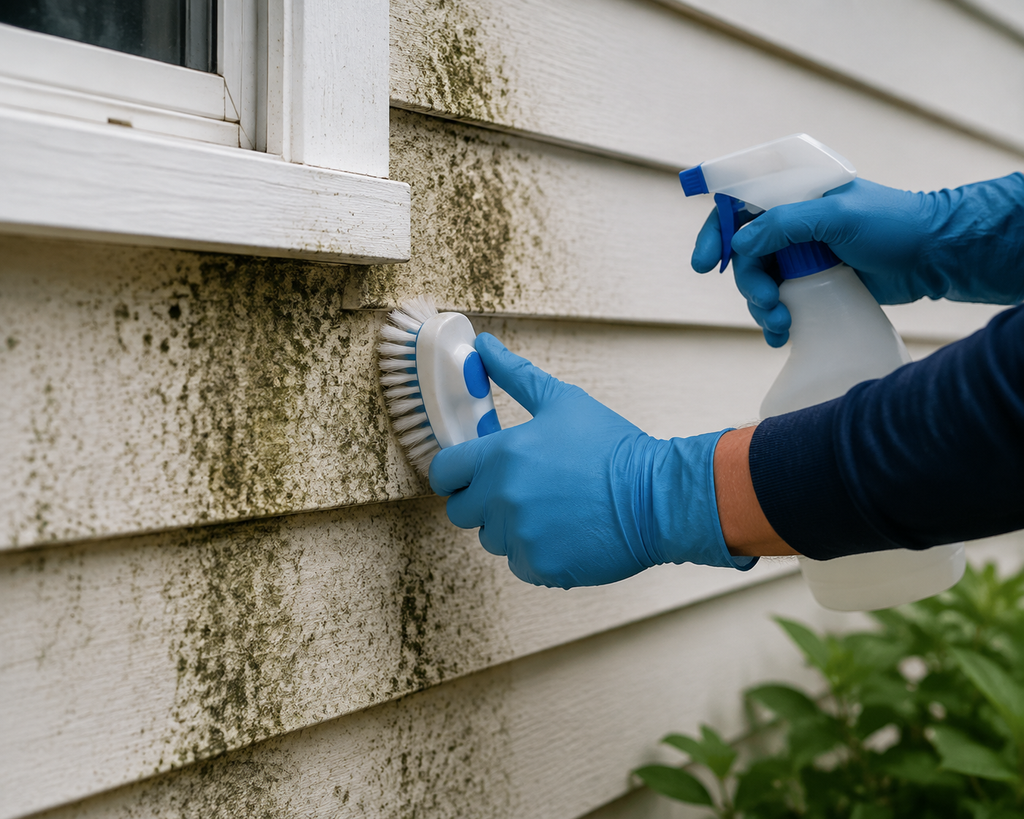
Don’t overlook exterior surfaces. Mold on siding, deck boards, and exterior walls isn’t just a cosmetic problem — it indicates a moisture condition that can work its way into the structure over time. Professional pressure washing removes mold, algae, and mildew from exterior surfaces effectively, and is particularly worth doing in fall before Spokane’s wet season begins.
When in doubt, call a professional. In cases of severe or hidden mold infestations, professional remediation is highly recommended to ensure water damage is properly repaired and mold is thoroughly removed. Surface cleaning alone won’t address mold that has penetrated into drywall, insulation, or structural materials.
Mold in Spokane is a year-round possibility with two peak windows — the cold, condensation-heavy months from late fall through early spring, and the snowmelt transition in March and April. It favors specific locations: bathrooms, basements, attics, and anywhere a slow moisture source goes unnoticed.
The good news is that consistent cleaning and basic moisture management prevent most of the problems that lead to serious mold issues. If your home hasn’t had a thorough bathroom or deep clean recently, or if you’re heading into fall with exterior surfaces that haven’t been treated, now is a reasonable time to address it.
The Live Clean Today team is available for regular cleaning, deep cleaning, and pressure washing services across Spokane.